
getquickanswers.com
  • Credit
    What’s The Difference Between Charge Cards and Credit Cards?
  • Credit
    The Fair Credit Reporting Act
  • Credit
    The 5 Essential Elements Of Your FICO® Score
getquickanswers.com
    • Health
      • The Insider’s Guide To Diabetes And Leg Pain

        The Insider’s Guide To Diabetes And Leg Pain

      • The Shingles Vaccine

        The Shingles Vaccine

      • Symptoms of Pancreatic Cancer

        Symptoms of Pancreatic Cancer

      • What To Do If Your Child Has Constipation

        What To Do If Your Child Has Constipation

      • Information About Migraine Headaches

        Information About Migraine Headaches

      • Child ADHD Symptoms

        Child ADHD Symptoms

    • Finance
      • 9 Steps to Find the Right Auto Car Loans For…

        9 Steps to Find the Right Auto Car Loans For…

      • ETF vs. Mutual Fund

        ETF vs. Mutual Fund

      • The Pros and Cons of Using a Smartphone as a…

        The Pros and Cons of Using a Smartphone as a…

      • Rules for Saving Using a 401k

        Rules for Saving Using a 401k

      • Is There a Catch with Debt Relief Programs?

        Is There a Catch with Debt Relief Programs?

      • What Types of Installment Loans Are There?

        What Types of Installment Loans Are There?

    • Mortgage
      • Home Equity or a Reverse Mortgage?

        Home Equity or a Reverse Mortgage?

      • How to Find the Best Reverse Mortgage Company

        How to Find the Best Reverse Mortgage Company

      • Applying for a HARP Loan

        Applying for a HARP Loan

      • How Buying Points On Your Mortgage Can Improve Your Interest…

        How Buying Points On Your Mortgage Can Improve Your Interest…

      • Never Use your Home Equity Loan for These 5 Things

        Never Use your Home Equity Loan for These 5 Things

      • How Much Does a Reverse Mortgage Cost?

        How Much Does a Reverse Mortgage Cost?

    • Credit
      • Can A Tax Lien Affect My Credit Report?

        Can A Tax Lien Affect My Credit Report?

      • What Can You Get With A Good FICO® Score?

        What Can You Get With A Good FICO® Score?

      • Getting A Business Credit Card Even With Bad Credit

        Getting A Business Credit Card Even With Bad Credit

      • 10 Things To Avoid When Repairing Your Credit

        10 Things To Avoid When Repairing Your Credit

      • 10 Best Secured Credit Cards

        10 Best Secured Credit Cards

      • 7 Ways To Spot A Credit Repair Scam

        7 Ways To Spot A Credit Repair Scam

    • Auto
      • Carsharing vs Car Rentals

        Carsharing vs Car Rentals

      • Covering Your Classic Car

        Covering Your Classic Car

      • What to Consider When Buying a New Car

        What to Consider When Buying a New Car

      • Make Your Car ‘Road Trip Ready

        Make Your Car ‘Road Trip Ready

      • Tips for Saving Money on a Car Rental

        Tips for Saving Money on a Car Rental

      • The 10 Best Midsize Cars of 2016

        The 10 Best Midsize Cars of 2016

    • Business
      • What’s the Difference Between a Language Translator and an Interpreter?

        What’s the Difference Between a Language Translator and an Interpreter?

      • How to Handle Bed Bugs

        How to Handle Bed Bugs

      • The Downfalls of a Business Phone Service

        The Downfalls of a Business Phone Service

      • 5 Things You Should Buy On Black Friday

        5 Things You Should Buy On Black Friday

      • The Top 5 Payroll Software Systems For A Small Business

        The Top 5 Payroll Software Systems For A Small Business

      • 5 Must-Knows For Being a Successful Graphic Designer

        5 Must-Knows For Being a Successful Graphic Designer

    • Medical
      • Introduction to AFIB & AFIB Treatments

        Introduction to AFIB & AFIB Treatments

      • Life Expectancy With Lung Cancer

        Life Expectancy With Lung Cancer

      • What Are The Treatments For Kidney Cancer?

        What Are The Treatments For Kidney Cancer?

      • Risk Factors of a Miscarriage

        Risk Factors of a Miscarriage

      • Osteoarthritis: What You Need To Know

        Osteoarthritis: What You Need To Know

      • Melanoma Types: What You Need To Know

        Melanoma Types: What You Need To Know

    • Tech
      • The Most Delicious Food Delivery Services

        The Most Delicious Food Delivery Services

      • The 6 Most Affordable Video Conferencing Tools

        The 6 Most Affordable Video Conferencing Tools

      • Top 5 Reasons to Buy a 2019 Audi Q5

        Top 5 Reasons to Buy a 2019 Audi Q5

      • How You Can Speed Up Your Slow WiFi

        How You Can Speed Up Your Slow WiFi

      • The Best Mascaras in the Market

        The Best Mascaras in the Market

      • 6 Mistakes you’re Making with your IT Security

        6 Mistakes you’re Making with your IT Security

      Build Good Credit Before Your Next Credit Report

      by Shannon Sanford

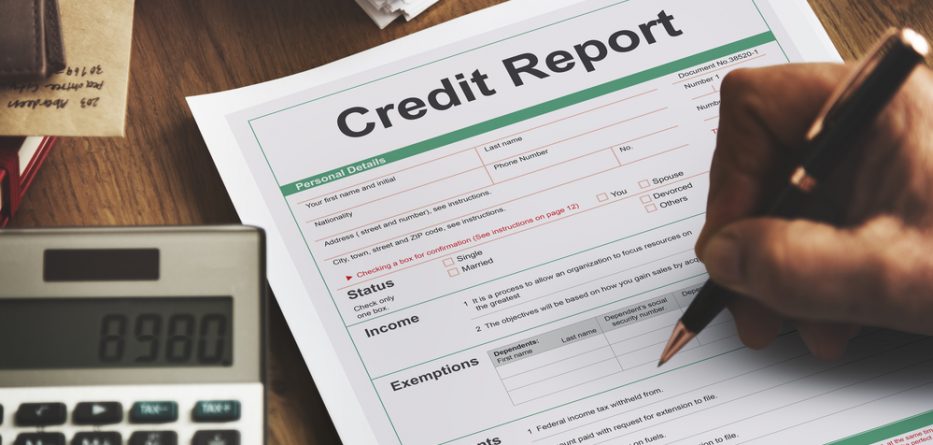
      Having good credit is important. Without a good credit score, you can’t buy a house or a car, get a loan, or get a good interest rate on credit cards. If you have bad credit or no credit, don’t fret! There are several ways you can build your credit score so you are eligible for loans and more. Here are 10 tips on building a good credit score.

      1. Pay off your credit cards each month.

        Credit cards aren’t made to have debt sitting on them for months at a time. Carrying a balance on your credit card can lead to compounding interest, and you’ll end up paying more than you originally owed. To avoid this fee and increase your credit score, pay credit cards off in full each month. If you don’t have a credit card, apply for one and charge enough that you can pay it off at the end of each month. Using the card and paying it off helps you establish credit.

      2. Pay your bills on time.

        Many people don’t know that failure to pay your bills on time will lead to a low FICO score. Your FICO score is based on your bill payment history and is reflected as a three-digit number. This score is available to credit card companies. Some use this score in addition to your credit score to determine your eligibility for some loans or credit cards. This score can also impact where you can live. Some businesses check your FICO score and credit score before allowing you to rent. This score may also determine how much you pay for deposits on utilities such as electric or gas.

      3. Ask for a higher credit line.

        Having a higher credit line boosts your credit score because it increases the amount of debt you’ve been allowed to have. Having a higher debt allowance lowers your credit utilization ratio, which is the amount of debt you have in relation to your available credit. Most credit card companies allow customer service representatives to increase your credit limit by a few hundred dollars at a time. For larger increases, you’ll have to go through certain procedures that differ from company-to-company.

      4. Check your credit report.

        Check your credit report each year. There are three major credit reporting companies in the United States: Experian, Equifax, and TransUnion. These three companies have different credit scores based on what you’ve purchased or applied for. Instead of checking all of these companies at once, you can use a website such as CreditKarma.com. This website will tell you all three scores and what is negatively impacting your credit, such as maxed out credit cards or loans.

      5. Have a good credit history.

        A good credit history means you’ve had a longstanding relationship with a credit company. By having this relationship—and charging and paying your bills on time—you are rewarded with a positive credit score. It shows dependability.

      6. Don’t close old accounts.

        Something most companies fail to tell you is that you should leave credit cards open and at a $0 balance. Closing credit accounts decreases your score because you have a lower utilization rate. The best thing to do is to use a maximum of two credit cards, setting the others aside. Forget about them and leave them in a safe place.

      7. Avoid excess inquiries.

        When you apply for a credit card or a loan, companies check your credit score. Each inquiry gets added to your report and will remain there for two years. For a year, it will slightly reduce your credit score. To avoid reducing your score, avoid excess inquiries. It’s not unusual to have a few checks in a 30-day period while shopping for a car or home loan. In this situation, the inquiries would be counted as a single loan.

      8. Avoid consolidation.

        Consolidation may seem like a good strategy, but in reality, the interest on these accounts doubles or sometimes triples what you’d be paying otherwise. Maxing out your credit cards will detract from your overall credit score even if you make payments on time. It’s better to distribute your debt over a few low-interest credit cards.

      9. Negotiate with creditors.

        Creditors are in the business of debt. When you don’t pay your bills, it impacts creditors as a business. If the balance on your cards is far too high, you can request that the debt be lowered. If you find yourself skipping out on payments, contact the company and explain the situation. A resolution will likely be found.

      10. Avoid being turned over to collections.

        Being turned over to collection agencies highly affects your credit score. It can result in a bad credit score, and you’ll be stuck with higher payments. Debt collection agencies are relentless at collecting payments from customers. The negative information will also be displayed on your account long-term.

      Featured Image Source: DepositPhotos © Rawpixel

      Posted on May 18, 2023
      Privacy Policy | Terms Of Use | Contact