
getquickanswers.com
  • Finance
    A Guide To The Risks Involved In Investing In Stocks
  • Finance
    The Best IRA Savings Account Rates
  • Finance
    The Myths of Online Credit Card Processing Busted
getquickanswers.com
    • Health
      • Reasons Your Teeth Hurt (It Might Not Be Cavities!)

        Reasons Your Teeth Hurt (It Might Not Be Cavities!)

      • Useful Tips For Managing Your Diabetes

        Useful Tips For Managing Your Diabetes

      • Understanding Bacterial Meningitis

        Understanding Bacterial Meningitis

      • What Are the Causes and Risk Factors of Pancreatic Cancer?

        What Are the Causes and Risk Factors of Pancreatic Cancer?

      • 3 Things You Can Do To Reduce Constipation

        3 Things You Can Do To Reduce Constipation

      • Causes Of Migraine Headaches

        Causes Of Migraine Headaches

    • Finance
      • The Top 5 Payroll Software Systems For A Small Business

        The Top 5 Payroll Software Systems For A Small Business

      • Should you Apply for a 401k or an IRA Savings…

        Should you Apply for a 401k or an IRA Savings…

      • The Top Global Mutual Funds

        The Top Global Mutual Funds

      • The Best 4 Credit Cards For Travel Rewards

        The Best 4 Credit Cards For Travel Rewards

      • Definition of Roth IRA Plans

        Definition of Roth IRA Plans

      • What Can You Do if You Can’t Pay Your Taxes?

        What Can You Do if You Can’t Pay Your Taxes?

    • Mortgage
      • Top 6 Most Common Mortgage Questions

        Top 6 Most Common Mortgage Questions

      • The Disadvantages of Mortgage Escrow Accounts

        The Disadvantages of Mortgage Escrow Accounts

      • 5 Disadvantages of Taking Out a Reverse Mortgage

        5 Disadvantages of Taking Out a Reverse Mortgage

      • What is Escrow?

        What is Escrow?

      • 10 Questions You Need To Ask Your Mortgage Lender

        10 Questions You Need To Ask Your Mortgage Lender

      • 5 Myths About Escrow Accounts

        5 Myths About Escrow Accounts

    • Credit
      • 10 Things To Avoid When Repairing Your Credit

        10 Things To Avoid When Repairing Your Credit

      • 10 Best Secured Credit Cards

        10 Best Secured Credit Cards

      • 7 Ways To Spot A Credit Repair Scam

        7 Ways To Spot A Credit Repair Scam

      • Secured Credit Cards With Rewards

        Secured Credit Cards With Rewards

      • Does your Credit Report have an Error? Here’s What to…

        Does your Credit Report have an Error? Here’s What to…

      • What Are Prepaid Credit Cards

        What Are Prepaid Credit Cards

    • Auto
      • Will You Get A Good Deal If You Let The…

        Will You Get A Good Deal If You Let The…

      • Do Diesel Cars Still Have a Future in America?

        Do Diesel Cars Still Have a Future in America?

      • Top Tips for Photographing Your Car for Sale

        Top Tips for Photographing Your Car for Sale

      • Can your Bad Credit Affect your Auto Insurance

        Can your Bad Credit Affect your Auto Insurance

      • The 7 Most Expensive Cars in the World

        The 7 Most Expensive Cars in the World

      • 5 Previously Expensive Cars You Can Now Buy for Less…

        5 Previously Expensive Cars You Can Now Buy for Less…

    • Business
      • Is Your Business Credit Report Bad? Here’s How You Can…

        Is Your Business Credit Report Bad? Here’s How You Can…

      • Pros and Cons of a Beauty Career

        Pros and Cons of a Beauty Career

      • How to Keep Your Yard Safe Without Chemicals

        How to Keep Your Yard Safe Without Chemicals

      • Avoid Using Outdated Resume Tips

        Avoid Using Outdated Resume Tips

      • How To Make The Most Of Your Black Friday Savings

        How To Make The Most Of Your Black Friday Savings

      • Why your Company Needs a Business Phone System

        Why your Company Needs a Business Phone System

    • Medical
      • How to Live With And Proactively Manage Your Asthma

        How to Live With And Proactively Manage Your Asthma

      • Metastatic Breast Cancer Treatment Options

        Metastatic Breast Cancer Treatment Options

      • Causes Of Lung Cancer

        Causes Of Lung Cancer

      • The Most Important Facts About Kidney Cancer

        The Most Important Facts About Kidney Cancer

      • How To Cope With a Miscarriage

        How To Cope With a Miscarriage

      • What is Total Hip Replacement?

        What is Total Hip Replacement?

    • Tech
      • How You Can Speed Up Your Slow WiFi

        How You Can Speed Up Your Slow WiFi

      • The Best Mascaras in the Market

        The Best Mascaras in the Market

      • 6 Mistakes you’re Making with your IT Security

        6 Mistakes you’re Making with your IT Security

      • Top 3 Car Mats

        Top 3 Car Mats

      • What to Know Before Domain Registration

        What to Know Before Domain Registration

      • Best HEPA Air Purifiers for Home

        Best HEPA Air Purifiers for Home

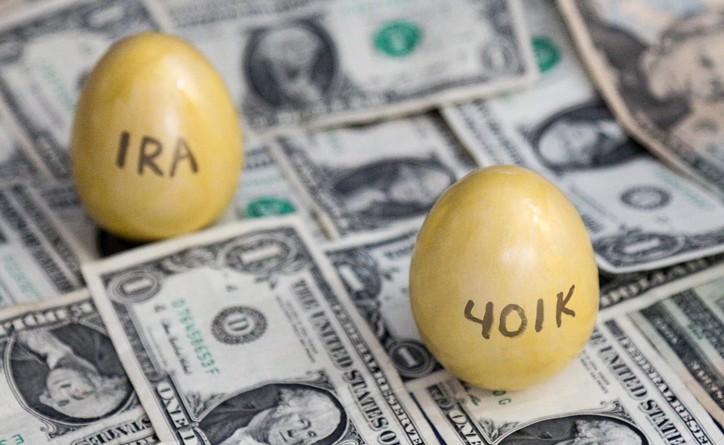
      Should you Apply for a 401k or an IRA Savings Account?

      by Stephanie Donnely

      When it comes to saving for retirement, you want to make the best decisions possible. The worst possible scenario is to end up needing more money after you’ve already retired. Should you take advantage of your 401k or should you invest in an IRA? To better understand these terms, we’ll explain what they are and the pros and cons of each.

      What is an IRA?

      An Individual Retirement Arrangement (IRA) is an account that allows you to save money for retirement. This money will only be available to you six months after your 59th birthday. There are different types of IRAs including Traditional, Roth, and Rollover.

      What are the pros of an IRA?

      • Tax deductions:
        As you add money to your IRA account, you can use the invested funds as a tax deduction up to $5,000.
      • Availability:
        You don’t need to open an IRA account through your employer. You can open one whenever you want, as long as you meet the minimum income requirements.
      • Flexibility:
        Most investors love the amount of flexibility that is offered with IRA accounts because you have the ability to tweak your allocation if the account is under-performing.

      What are the cons of an IRA?

      • Limited contributions:
        Similarly to a 401k, you can only contribute up to a certain amount per year with an IRA. However, this amount is also much lower than the 401k limitations as the maximum is set at just $5,000 per year.
      • Early withdrawal penalties:
        If you have to withdraw money from your IRA before you are 59 1/2, then you’ll face penalties. After you are charged income tax (for Traditional IRAs), you’ll also be charged an extra 10%.
      • Required withdrawal:
        If you have a Traditional IRA, you will be forced to begin withdrawing money six months after your 70th birthday, whether you are retired or not.

      What is a 401k?

      A 401k is a retirement savings plan that is created through your employer. Part of your paycheck will be funneled into the account before taxes are taken out. Often, companies will “match” what the employee pays as an incentive to contribute, although this is not required.

      What are the pros of a 401k?

      • Employer matching:
        Unlike an IRA, your employer may contribute to your 401k as it grows. While it’s not required, it’s a popular benefit that is offered by many businesses.
      • Minimal effort:
        A 401k grows without much effort on your part. Your contributions are taken directly from your paycheck without you having to make additional steps to invest.
      • High contribution limit:
        The limit on 401k contributions is extremely high – it is usually $18,000, but it may be as high as $24,000 if you’re over 50 years of age.

      What are the cons of a 401k?

      • Account fees:
        You may be charged fees to keep the account open, and since the account is through your employer, you will have little control over the service you receive.
      • Taxes:
        Since the money contributed to a 401k is pre-tax, this means that once you pull the money out, you’ll have to pay taxes on the funds as though it is income tax.
      • Waiting period:
        Some employers may require you to wait through a probation period (which is usually six months) before you are able to invest in a 401k.

      Photo: Thinkstock/© KaraGrubis

      Posted on May 18, 2023
      Privacy Policy | Terms Of Use | Contact