
getquickanswers.com
  • Finance
    The Basics of Personal Loans
  • Finance
    What Types of Credit Card Rewards Are There
  • Finance
    The Complications of Accepting Credit Cards
getquickanswers.com
    • Health
      • Dry Eyes? Here Are Some Natural Remedies

        Dry Eyes? Here Are Some Natural Remedies

      • Planning your Diet with Irritable Bowel Syndrome

        Planning your Diet with Irritable Bowel Syndrome

      • Epileptic Seizures: Complex Partial Seizures

        Epileptic Seizures: Complex Partial Seizures

      • Cut Your Cholesterol With These Simple Tips

        Cut Your Cholesterol With These Simple Tips

      • Symptoms Of Constipation

        Symptoms Of Constipation

      • Symptoms Of Cystic Fibrosis

        Symptoms Of Cystic Fibrosis

    • Finance
      • 5 Best Cities You Can Retire In

        5 Best Cities You Can Retire In

      • The Difference between a Regular Savings Account and an IRA…

        The Difference between a Regular Savings Account and an IRA…

      • Top 5 Companies for International Money Transfers Online

        Top 5 Companies for International Money Transfers Online

      • The Truth About Advance Payday Loans

        The Truth About Advance Payday Loans

      • How to Request a Personal Loan

        How to Request a Personal Loan

      • 5 Best Free Business Checking Account Options

        5 Best Free Business Checking Account Options

    • Mortgage
      • Mortgage Loan Types Available To First Time Home Buyers

        Mortgage Loan Types Available To First Time Home Buyers

      • How Much Do Mortgage Escrow Agents Charge?

        How Much Do Mortgage Escrow Agents Charge?

      • Comparing Mortgage Lenders

        Comparing Mortgage Lenders

      • The Pros and Cons of a VA Home Loan

        The Pros and Cons of a VA Home Loan

      • What Is A Mortgage Rate Lock?

        What Is A Mortgage Rate Lock?

      • Mortgage Loans 101

        Mortgage Loans 101

    • Credit
      • What is a Good Credit Score?

        What is a Good Credit Score?

      • Things To Know When Comparing Credit Card Offers

        Things To Know When Comparing Credit Card Offers

      • What is a Bad Credit Score?

        What is a Bad Credit Score?

      • What’s In A Credit Report?

        What’s In A Credit Report?

      • 3 Ways to Improve your Credit Score Before Applying for…

        3 Ways to Improve your Credit Score Before Applying for…

      • Can I Get A Lien Off My Credit Report?

        Can I Get A Lien Off My Credit Report?

    • Auto
      • When Should you Change your Car Insurance Policy?

        When Should you Change your Car Insurance Policy?

      • Can You Remember These Ugly 90’s Cars?

        Can You Remember These Ugly 90’s Cars?

      • The Top 5 Minivans With Style

        The Top 5 Minivans With Style

      • Introduction to Volvo XC60 SUV

        Introduction to Volvo XC60 SUV

      • The 10 Cheapest States for Car Insurance

        The 10 Cheapest States for Car Insurance

      • Electric or Hybrid Car: Pros & Cons

        Electric or Hybrid Car: Pros & Cons

    • Business
      • How Can Payroll Software Benefit your Business

        How Can Payroll Software Benefit your Business

      • What You Need to Know About Human Resource Management

        What You Need to Know About Human Resource Management

      • Why You Shouldn’t Hire an Accident Attorney

        Why You Shouldn’t Hire an Accident Attorney

      • Top 4 Small Business Internet Service Providers

        Top 4 Small Business Internet Service Providers

      • 4 Easy Steps to Improve Your Business Credit Report

        4 Easy Steps to Improve Your Business Credit Report

      • Pros and Cons of Small Business Payroll Softwares

        Pros and Cons of Small Business Payroll Softwares

    • Medical
      • How Often Can Miscarriages Happen?

        How Often Can Miscarriages Happen?

      • To Flu Shot, or Not to Flu Shot

        To Flu Shot, or Not to Flu Shot

      • What You Need To Know About About Hepatitis C

        What You Need To Know About About Hepatitis C

      • Symptoms and Signs of Bone Cancer

        Symptoms and Signs of Bone Cancer

      • Symptoms of Gum Disease

        Symptoms of Gum Disease

      • The Main Causes of Deep Vein Thrombosis

        The Main Causes of Deep Vein Thrombosis

    • Tech
      • What are the Dangers of Hybrid Cloud Computing

        What are the Dangers of Hybrid Cloud Computing

      • Best Tablet Computers

        Best Tablet Computers

      • How to Make a Career in IT Security Consulting

        How to Make a Career in IT Security Consulting

      • Compare Best Smartphones 2020

        Compare Best Smartphones 2020

      • 5 Practices of Cloud Data Security

        5 Practices of Cloud Data Security

      • Mobile Malware – What is it?

        Mobile Malware – What is it?

      ETF vs. Mutual Fund

      by Stephanie Donnely

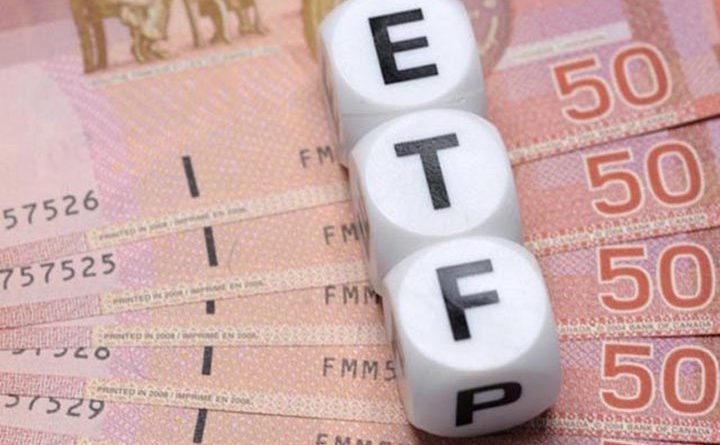
      ETF, short for exchange-traded funds, and mutual funds are two more common investment options for individuals looking to diversify their portfolio and increase net worth. Of course, with so many different funds, bonds, and other investment options out there, it can become incredibly difficult to know what the difference is and how one compares to the other. That is exactly why it is necessary to know what the difference is and how one is better than the other in differing ways.

      Fees

      One element early investors tend to not look into (and even experienced investors can forget from time to time) are the fees associated with an investment opportunity. Most mutual funds are going to charge around 1.3% to 1.5% for the investment, although it can change depending on the specific mutual fund, where it is located (overseas mutual funds usually come with a larger fee), and other variables. Some companies even charge an additional 1% for advisers and management services, which can increase the cost of the portfolio to about 2.5%. On the other hand, the average expense of an EFT is 0.44%, and with a possible management fee on top of it of 1%, an ETF generally costs less than maintaining mutual funds.

      Specific Markets

      There are different investment markets for mutual funds. These markets can include international trade (such as China, a booming international business sector), gold and precious materials, and other investment opportunities. With an ETF, however, there are fewer markets available to diversify the account. Essentially, when you purchase the ETF, the ETF is involved with a specific sector. For example, the ETF might be involved with consumer products in Argentina or solely in precious materials. Essentially, the investment fields must be connected in order to be grouped into the ETF. Diversification is always desirable, which is why mutual funds are so popular in terms of investment opportunities.

      Investment Minimum

      When you open a mutual fund account, you need a minimum amount to open the account. Some investments require you to have at least $10,000 or more in order to even open the account. This might not prove a problem for some investors, but for those just starting out, having such a substantial amount of money sitting around is just not possible. On the other hand, an EFT does not have any sort of investment minimum, which makes it easily accessible by anyone. As long as you can purchase one share, you are able to have stake in an ETF.

      Taxes

      Taxes are the main drawback to mutual funds. Even if you are able to afford the investment minimum and the other variations of the account, it can be an inefficient form of investment. There are times where your account, even if it loses money, is charged taxes. This is because the account manager might have sold off winnings earlier in the year, which allows the management firm to showcase a better return on investment in their advertisements, but you end up paying taxes on it. ETFs work like stocks, so unless you made money on your investment, you are not paying taxes.

      Featured Image: Thinkstock/TonyIaniro

      Posted on May 18, 2023
      Privacy Policy | Terms Of Use | Contact