
getquickanswers.com
  • Finance
    Avoid These Scams When Transferring Money
  • Finance
    The Most Common Uses for Personal Loans
  • Finance
    The Difference between a Regular Savings Account and an IRA…
getquickanswers.com
    • Health
      • Running in Cold Weather – 6 Great Tips

        Running in Cold Weather – 6 Great Tips

      • Inflammatory Bowel Disease (IBD)

        Inflammatory Bowel Disease (IBD)

      • Symptoms of Diarrhea

        Symptoms of Diarrhea

      • Could a Vaccine Eventually Prevent High Cholesterol?

        Could a Vaccine Eventually Prevent High Cholesterol?

      • Heartburn: What are the Causes?

        Heartburn: What are the Causes?

      • 10 Terms To Know About Cystic Fibrosis

        10 Terms To Know About Cystic Fibrosis

    • Finance
      • The Best Tips for Getting a Business Loan

        The Best Tips for Getting a Business Loan

      • Fixed Rate Mortgages

        Fixed Rate Mortgages

      • The Top Tips for Stock Investing

        The Top Tips for Stock Investing

      • 3 Payroll Services for Small Businesses Compared

        3 Payroll Services for Small Businesses Compared

      • The 3 Best Student Loan Consolidation Companies

        The 3 Best Student Loan Consolidation Companies

      • Declaring Bankruptcy: The Pros and Cons

        Declaring Bankruptcy: The Pros and Cons

    • Mortgage
      • 6 Tips When Buying and Selling Your Home in 2016

        6 Tips When Buying and Selling Your Home in 2016

      • The Advantages to a USDA Home Loan

        The Advantages to a USDA Home Loan

      • How to Apply for a HARP Loan

        How to Apply for a HARP Loan

      • How you Can Calculate Mortgage Costs

        How you Can Calculate Mortgage Costs

      • When Should you Refinance your Home Mortgage

        When Should you Refinance your Home Mortgage

      • FHA Loans: The Pros and Cons

        FHA Loans: The Pros and Cons

    • Credit
      • Fix Your Credit Before Your Next Credit Report

        Fix Your Credit Before Your Next Credit Report

      • What’s The Difference Between Charge Cards and Credit Cards?

        What’s The Difference Between Charge Cards and Credit Cards?

      • Everything You Need To Know About FICO® Scores

        Everything You Need To Know About FICO® Scores

      • Teaching Your Teens About Credit and Prepaid Credit Cards

        Teaching Your Teens About Credit and Prepaid Credit Cards

      • The 5 Essential Elements Of Your FICO® Score

        The 5 Essential Elements Of Your FICO® Score

      • Overview of Credit Repair

        Overview of Credit Repair

    • Auto
      • 5 Affordable Crossover SUVs

        5 Affordable Crossover SUVs

      • 5 Top Crossover SUVs of 2017

        5 Top Crossover SUVs of 2017

      • The 10 Best Hybrid Cars You Should Consider Buying

        The 10 Best Hybrid Cars You Should Consider Buying

      • 10 Best 7 Passenger Family SUVs

        10 Best 7 Passenger Family SUVs

      • Top 10 Hybrid Cars Under $30,000

        Top 10 Hybrid Cars Under $30,000

      • 4 Steps to Follow When Trading in Your Car

        4 Steps to Follow When Trading in Your Car

    • Business
      • Small Business Payroll Service Review – Wagepoint

        Small Business Payroll Service Review – Wagepoint

      • Expert Secrets For Flea Control

        Expert Secrets For Flea Control

      • Pros of Having an Accident Attorney

        Pros of Having an Accident Attorney

      • How to Choose the Best Small Business Internet Providers

        How to Choose the Best Small Business Internet Providers

      • Email Marketing for Small Business

        Email Marketing for Small Business

      • All-Natural Pest Control Options You Must Try

        All-Natural Pest Control Options You Must Try

    • Medical
      • 6 Tasty Diabetes-Friendly Recipes

        6 Tasty Diabetes-Friendly Recipes

      • Overview of Pancreatic Cancer

        Overview of Pancreatic Cancer

      • Causes and Treatments of COPD

        Causes and Treatments of COPD

      • The 5 Stages of Cancer

        The 5 Stages of Cancer

      • Lower Back Pain – What Are The Causes

        Lower Back Pain – What Are The Causes

      • All You Need to Know About Arthritis

        All You Need to Know About Arthritis

    • Tech
      • Mobile Malware – What is it?

        Mobile Malware – What is it?

      • Top 10 Ways to Avoid Mobile Malware

        Top 10 Ways to Avoid Mobile Malware

      • Project Portfolio Management Software

        Project Portfolio Management Software

      • The 6 Best Flower Delivery Services Online

        The 6 Best Flower Delivery Services Online

      • Things to Know about Air Ambulance

        Things to Know about Air Ambulance

      • Things You Need to Know About Driver’s Education

        Things You Need to Know About Driver’s Education

      Opening A Business Checking Account: What Not To Do

      by Joel Carson

      So, you want to open up a new business checking account but don’t know the first thing about numbers? Then you’ve come to the right place. You’ve taken the first step; you’ve set up and registered your new small business and now it’s time to sort the finer details. Well, before you go signing your life (or your finances) away, you’ve got to take a look at a couple of things first. We’ve put together a list of what not to do when opening new business checking accounts, so read on to save your bacon!

      Don’t choose the wrong bank

      Let’s start at the beginning. Before you can even begin thinking about setting up a business checking account, you’ve got to start with a seemingly simple task. That task is choosing your bank. The right bank is a very important decision, so you’ve got to make sure you pick the one that suits the needs of your business. If you are going to open a business checking account, you need to research.

      Research is the most important and eventually rewarding thing you can do in terms of finding the right bank.  

      Fees – fees are the most important thing to compare when choosing your account. You need to check if there are any hidden fees, or fees that kick in after a few weeks or months. Your best bet is to try and find a free checking account. There are some banks that specialize in small businesses, and they know their stuff, so use their expertise! They might even surprise you with things you didn’t even know you needed. They might have special start off offers that will give you a few months fee-free to get you off the ground!

      Don’t combine your accounts

      This one might seem like a no-brainer, but it’s a very common mistake people can make when they’re just starting out. If you mix your household finances, and your business ones, you may end up with some strange looking business receipts. You might find yourself questioning a lot of your costs, so this one is usually a no-no. Create an entirely new business bank account for your small business and you’ll find you’ll save yourself a lot of trouble – especially when it comes around to doing your taxes!

      Business Checking Account; Business Checking Accounts; Online Business Checking Account; Open Business Checking Account; Business Checking Accounts Online

      Source: Thinkstock/ LuminaStock


      Don’t bring the wrong documents to your appointments

      Again, it seems like a no-brainer, but who really knows what to bring to these things? You may be surprised at the number of people who turn up to banking meetings with the wrong papers. The bankers probably won’t be your biggest fan if you do that, but not only that, it can elongate the process if you’re not properly prepared. So, what do you actually need?

      • Personal ID
      • Professional Licence
      • Employment Identification Number (EIN) and Name Registration
      • Articles of Incorporation and Banking Resolutions
      • Expected Cash Flow Numbers

      Don’t forget you need a check-signing authority

      When you write out checks, you’ll need to have another person to sign them. Too many people have made the mistake of not planning check-signing authorities when setting up their business accounts. The person or people you choose need to be people you trust 100%. Remember that they have authority over your business account payouts as well as you.

      Don’t fall short of your minimum monthly balance

      Nobody likes fees. Well, nobody except the people giving them out, but that’s a different story. How can you avoid this, we hear you asking? Well, some banks let this kind of thing slide if you keep your balance over a certain figure. It always pays – excuse the pun – to have a couple of hundred dollars in your business bank account just to stop from hungry bankers sniffing around for ways to make you pay more than you need to. Don’t let this happen. Don’t let your checking accounts fall short, or it’s likely some banks will pounce and you’ll be paying out a lot more than you originally expected.

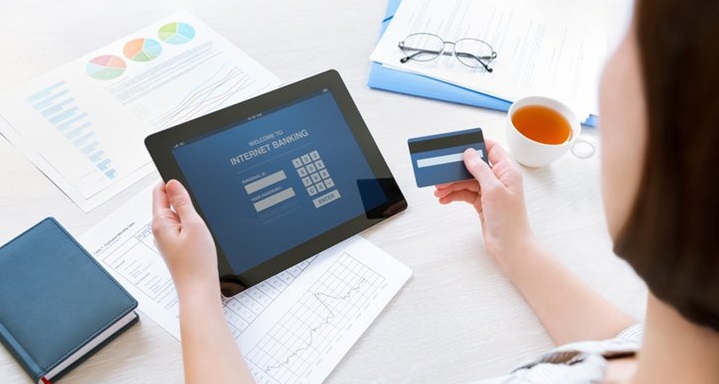
      While all of these tips warn you what not to do when setting up a traditional account, they also translate to online accounts. If you prefer to do your dealings online, check out how to figure out if online banking is the best choice for your small business.
      Business Checking Account; Business Checking Accounts; Online Business Checking Account; Open Business Checking Account; Business Checking Accounts Online

      Source: Thinkstock/ Anatolii Babii


      Online Business Checking Account

      The greatest thing about online banking? They’re always open! This is so convenient for small business owners who may need to access their accounts at any time of the day or week! Lack of overhead costs for online banks means that these savings can be seen in your account fees. Again, research is key when setting up business checking accounts online; some online banks do not allow cash deposits. So, if your business will be dealing in cash a lot, an online account is probably not your best choice.

      Featured Image: Thinkstock/ Minerva Studio

      Posted on May 18, 2023
      Privacy Policy | Terms Of Use | Contact