
getquickanswers.com
  • Finance
    The Basics of Personal Loans
  • Finance
    What Types of Credit Card Rewards Are There
  • Finance
    The Complications of Accepting Credit Cards
getquickanswers.com
    • Health
      • 4 Great Back Exercises You Can Try At Home

        4 Great Back Exercises You Can Try At Home

      • Putting Together Your Diabetes Diet To Make It Work

        Putting Together Your Diabetes Diet To Make It Work

      • The Best Contact Lenses for Your Eyes

        The Best Contact Lenses for Your Eyes

      • Treatments for Pancreatic Cancer

        Treatments for Pancreatic Cancer

      • 5 Soothing Heartburn Remedies

        5 Soothing Heartburn Remedies

      • 3 Home Remedies For Migraines

        3 Home Remedies For Migraines

    • Finance
      • Can You Rebuild Your Bad Credit?

        Can You Rebuild Your Bad Credit?

      • The Best IRA Savings Account Rates

        The Best IRA Savings Account Rates

      • Dividend Mutual Funds: The Pros and Cons

        Dividend Mutual Funds: The Pros and Cons

      • The Myths of Online Credit Card Processing Busted

        The Myths of Online Credit Card Processing Busted

      • Why Should You Get A 401k Loan?

        Why Should You Get A 401k Loan?

      • How to Select the Best Credit Cards

        How to Select the Best Credit Cards

    • Mortgage
      • How Buying Points On Your Mortgage Can Improve Your Interest…

        How Buying Points On Your Mortgage Can Improve Your Interest…

      • Never Use your Home Equity Loan for These 5 Things

        Never Use your Home Equity Loan for These 5 Things

      • How Much Does a Reverse Mortgage Cost?

        How Much Does a Reverse Mortgage Cost?

      • Finding the Lowest Rate for your Home Equity

        Finding the Lowest Rate for your Home Equity

      • Top 6 Most Common Mortgage Questions

        Top 6 Most Common Mortgage Questions

      • The Disadvantages of Mortgage Escrow Accounts

        The Disadvantages of Mortgage Escrow Accounts

    • Credit
      • What Can You Get With A Good FICO® Score?

        What Can You Get With A Good FICO® Score?

      • Getting A Business Credit Card Even With Bad Credit

        Getting A Business Credit Card Even With Bad Credit

      • 10 Things To Avoid When Repairing Your Credit

        10 Things To Avoid When Repairing Your Credit

      • 10 Best Secured Credit Cards

        10 Best Secured Credit Cards

      • 7 Ways To Spot A Credit Repair Scam

        7 Ways To Spot A Credit Repair Scam

      • Secured Credit Cards With Rewards

        Secured Credit Cards With Rewards

    • Auto
      • Make Your Car ‘Road Trip Ready

        Make Your Car ‘Road Trip Ready

      • Tips for Saving Money on a Car Rental

        Tips for Saving Money on a Car Rental

      • The 10 Best Midsize Cars of 2016

        The 10 Best Midsize Cars of 2016

      • 5 Best Family SUVs to Consider

        5 Best Family SUVs to Consider

      • Will You Get A Good Deal If You Let The…

        Will You Get A Good Deal If You Let The…

      • Do Diesel Cars Still Have a Future in America?

        Do Diesel Cars Still Have a Future in America?

    • Business
      • The Top 5 Payroll Software Systems For A Small Business

        The Top 5 Payroll Software Systems For A Small Business

      • 5 Must-Knows For Being a Successful Graphic Designer

        5 Must-Knows For Being a Successful Graphic Designer

      • Proven Tips For Flea Control

        Proven Tips For Flea Control

      • The Difference Between Merchant Accounts and Business Bank Accounts

        The Difference Between Merchant Accounts and Business Bank Accounts

      • 5 Craziest Places To Shop At On Black Friday

        5 Craziest Places To Shop At On Black Friday

      • Is Your Business Credit Report Bad? Here’s How You Can…

        Is Your Business Credit Report Bad? Here’s How You Can…

    • Medical
      • A Breast Cancer Symptom That is Scarily Easy to Miss

        A Breast Cancer Symptom That is Scarily Easy to Miss

      • Ulcerative Colitis Treatment Options

        Ulcerative Colitis Treatment Options

      • Prognosis Of Lung Cancer

        Prognosis Of Lung Cancer

      • The Biggest Risk Factors of Kidney Cancer

        The Biggest Risk Factors of Kidney Cancer

      • Miscarriages: What You Need To Know

        Miscarriages: What You Need To Know

      • Pros And Cons Of New Hepatitis C Treatments

        Pros And Cons Of New Hepatitis C Treatments

    • Tech
      • The 6 Most Affordable Video Conferencing Tools

        The 6 Most Affordable Video Conferencing Tools

      • Top 5 Reasons to Buy a 2019 Audi Q5

        Top 5 Reasons to Buy a 2019 Audi Q5

      • How You Can Speed Up Your Slow WiFi

        How You Can Speed Up Your Slow WiFi

      • The Best Mascaras in the Market

        The Best Mascaras in the Market

      • 6 Mistakes you’re Making with your IT Security

        6 Mistakes you’re Making with your IT Security

      • Top 3 Car Mats

        Top 3 Car Mats

      ETF vs. Mutual Fund

      by Stephanie Donnely

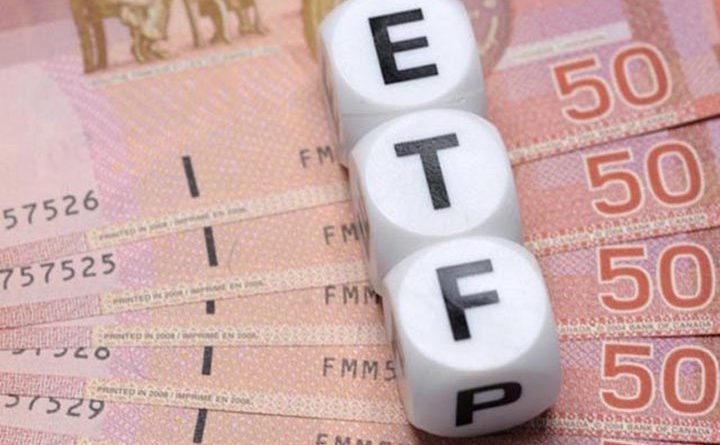
      ETF, short for exchange-traded funds, and mutual funds are two more common investment options for individuals looking to diversify their portfolio and increase net worth. Of course, with so many different funds, bonds, and other investment options out there, it can become incredibly difficult to know what the difference is and how one compares to the other. That is exactly why it is necessary to know what the difference is and how one is better than the other in differing ways.

      Fees

      One element early investors tend to not look into (and even experienced investors can forget from time to time) are the fees associated with an investment opportunity. Most mutual funds are going to charge around 1.3% to 1.5% for the investment, although it can change depending on the specific mutual fund, where it is located (overseas mutual funds usually come with a larger fee), and other variables. Some companies even charge an additional 1% for advisers and management services, which can increase the cost of the portfolio to about 2.5%. On the other hand, the average expense of an EFT is 0.44%, and with a possible management fee on top of it of 1%, an ETF generally costs less than maintaining mutual funds.

      Specific Markets

      There are different investment markets for mutual funds. These markets can include international trade (such as China, a booming international business sector), gold and precious materials, and other investment opportunities. With an ETF, however, there are fewer markets available to diversify the account. Essentially, when you purchase the ETF, the ETF is involved with a specific sector. For example, the ETF might be involved with consumer products in Argentina or solely in precious materials. Essentially, the investment fields must be connected in order to be grouped into the ETF. Diversification is always desirable, which is why mutual funds are so popular in terms of investment opportunities.

      Investment Minimum

      When you open a mutual fund account, you need a minimum amount to open the account. Some investments require you to have at least $10,000 or more in order to even open the account. This might not prove a problem for some investors, but for those just starting out, having such a substantial amount of money sitting around is just not possible. On the other hand, an EFT does not have any sort of investment minimum, which makes it easily accessible by anyone. As long as you can purchase one share, you are able to have stake in an ETF.

      Taxes

      Taxes are the main drawback to mutual funds. Even if you are able to afford the investment minimum and the other variations of the account, it can be an inefficient form of investment. There are times where your account, even if it loses money, is charged taxes. This is because the account manager might have sold off winnings earlier in the year, which allows the management firm to showcase a better return on investment in their advertisements, but you end up paying taxes on it. ETFs work like stocks, so unless you made money on your investment, you are not paying taxes.

      Featured Image: Thinkstock/TonyIaniro

      Posted on May 18, 2023
      Privacy Policy | Terms Of Use | Contact